

Weight Training for Over 40 Female Health

At 42, 53, or 67, the question is rarely whether exercise matters. The real question is what kind of training will improve strength, protect joints, support bone health, and still feel safe enough to continue consistently. That is where weight training for over 40 female adults deserves serious attention. Done properly, it is one of the most effective tools for maintaining muscle, reducing injury risk, improving insulin sensitivity, and preserving independence as the years move forward.
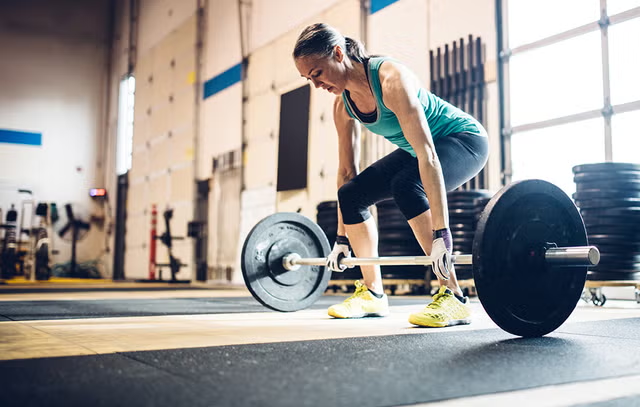
Many women over 40 have been told to focus on walking, light aerobics, or generalized “toning” classes. Those forms of movement can help, but they do not replace resistance training. After 40, muscle mass and bone density tend to decline. Hormonal changes can affect recovery, body composition, sleep, and energy. If strength training is missing, the body usually pays for it later through weakness, poorer balance, reduced metabolism, and a greater risk of falls or frailty.
Why weight training matters more after 40
Weight training is not just about appearance. For women over 40, it becomes a health intervention. Muscle tissue is metabolically active, supports glucose control, and helps protect joints by improving stability and movement quality. Strength work also places useful stress on bone, which is necessary for maintaining bone mineral density.
This is especially relevant through perimenopause and post menopause. As estrogen declines, the risk of bone loss rises. Strength training cannot stop every aspect of aging, but it can slow physical decline in meaningful, measurable ways. That is a very different goal from chasing a younger body or copying a social media workout.
There is also a practical issue that many women notice but do not always connect to strength loss. Carrying groceries, climbing stairs, getting up from the floor, lifting a suitcase, and maintaining balance during sudden movement all depend on strength. When those tasks become harder, quality of life narrows. A well-designed weight training program helps keep those abilities intact.
Weight training for over 40 female beginners: what changes
The fundamentals of strength training do not disappear at 40, but programming does need more care. A 25-year-old with no injuries and unlimited recovery is not the right model. Women over 40 often bring a more complex picture: old knee pain, low back stiffness, shoulder limitations, sleep disruption, high work stress, extra body weight, or conditions such as osteopenia, hypertension, diabetes, or arthritis.
That does not mean training should be timid. It means training should be structured. Exercise selection, range of motion, loading, tempo, and recovery all matter more. The right program builds capacity without aggravating symptoms. The wrong one creates setbacks that reinforce fear.
This is why random online workouts are often a poor fit. They tend to prioritize intensity over progression and novelty over safety. Effective training for this age group usually looks less flashy and produces better long-term results.
What a safe and effective program should include
Most women over 40 do best with a foundation of compound movements, supported by targeted accessory work. That generally means some version of squatting, hinging, pushing, pulling, carrying, and core stability. These patterns support real-life function and train multiple muscle groups efficiently.
The exact exercises depend on the person. One woman may tolerate goblet squats and dumbbell deadlifts well. Another may need box squats, supported split squats, or machine-based options because of knee pain or balance issues. The principle stays the same: train the major movement patterns, then adjust the tool.
Progressive overload also matters. If the body is never challenged beyond its current ability, strength will not improve much. But overload should be earned, not forced. Sometimes progress means adding weight. Sometimes it means improving control, range of motion, technique, or total training volume. For women with pain, osteopenia, or a long break from exercise, those smaller wins are often the right path.
A sound plan usually includes two to four strength sessions per week. That range works well for many adults because it allows enough stimulus without overwhelming recovery. More is not always better. A high-achieving professional under chronic stress may get better results from three precise sessions than from five exhausting ones.
Common concerns women have and what is actually true
One common concern is becoming “bulky.” In practice, most women over 40 do not accidentally develop large amounts of muscle. Building significant muscle mass takes years of deliberate training, higher total calories, and consistent progression. What most women notice instead is better shape, firmer muscle tone, improved posture, and easier weight management.
Another concern is joint damage. Poorly coached lifting can irritate joints, but properly programmed resistance training often improves joint function because it strengthens the muscles that support movement. Arthritis, old injuries, and chronic pain do not automatically rule out lifting. They simply require exercise selection that respects symptoms and mechanics.
There is also fear around osteoporosis and fragility. In reality, avoiding all resistance is often the greater risk. Women with low bone density need careful coaching, but they also need enough loading to stimulate adaptation. The key is medical-informed exercise, not complete avoidance.
How to start weight training for over 40 female adults
Start below your maximum and build with discipline. In the early phase, technique quality matters more than sweating hard or feeling destroyed. A beginner session may include a squat pattern, a hip hinge, a row, a press, and simple core work. That is enough when it is performed well and progressed properly.
The first few weeks should feel manageable. This is where many people make mistakes. They train too hard, become excessively sore, aggravate an old issue, and then stop for another month. A better approach is to leave each session feeling like you could have done a little more. Consistency beats heroics.
Rest periods should also be respected. Women over 40 often benefit from slightly longer recovery between sets, especially when learning movement or lifting heavier loads. This is not wasted time. It improves performance, protects technique, and reduces unnecessary fatigue.
If you have a medical condition, recent surgery, severe pain, or known bone loss, professional guidance is worth serious consideration. A specialized coach can modify exercises, monitor tolerance, and progress training without guesswork. That level of structure is especially valuable for adults who cannot afford setbacks.
The role of recovery, protein, and lifestyle
Training does not work in isolation. Recovery capacity changes with age, stress, medication use, and sleep quality. If sleep is poor and stress is high, progress may slow even with a solid program. That does not mean the program failed. It means the whole system needs attention.
Protein intake is also important. Women over 40 commonly under-eat protein, which limits muscle repair and strength development. Hydration, daily walking, and mobility work can further support recovery, but they should not distract from the core priority, which is regular resistance training.
It also helps to think beyond body weight. The scale may not change dramatically at first, especially if muscle is increasing while fat mass gradually drops. Better markers include improved strength, easier daily activities, reduced pain, better blood sugar control, improved posture, and greater confidence in movement.
Why expert coaching makes a difference
For younger clients, trial and error is often inconvenient. For older adults, it can be costly. Poor exercise choices may aggravate the back, irritate the knees, or trigger fear after one bad session. That is why expert supervision matters more with age, not less.
A coach who understands aging physiology, joint limitations, chronic conditions, and progression strategy can turn weight training into a precise intervention rather than a gamble. At Fitness Tutor, this is the standard that should define coaching for adults over 40. The goal is not to copy gym trends. The goal is to improve strength, function, and health in a way that is sustainable for years.
That is the real value of weight training for women over 40. It gives you more than exercise minutes or calorie burn. It gives you reserve capacity. It helps you stay capable when life becomes physically demanding, and that kind of strength is worth building carefully.
Visit www.fitness-tutor.com to learn more and start your journey toward a stronger, healthier future. You can also reach out directly to Coach Paul Kuck for more information or to book a consultation.
Contact Coach Paul Kuck
Phone: 97513400
Email: paul@fitness-tutor.com
Website: www.fitness-tutor.com
Get in touch and take the first step towards achieving your fitness goals with expert guidance from Coach Paul Kuck!
Comments