

Nutrition for Sarcopenia Prevention

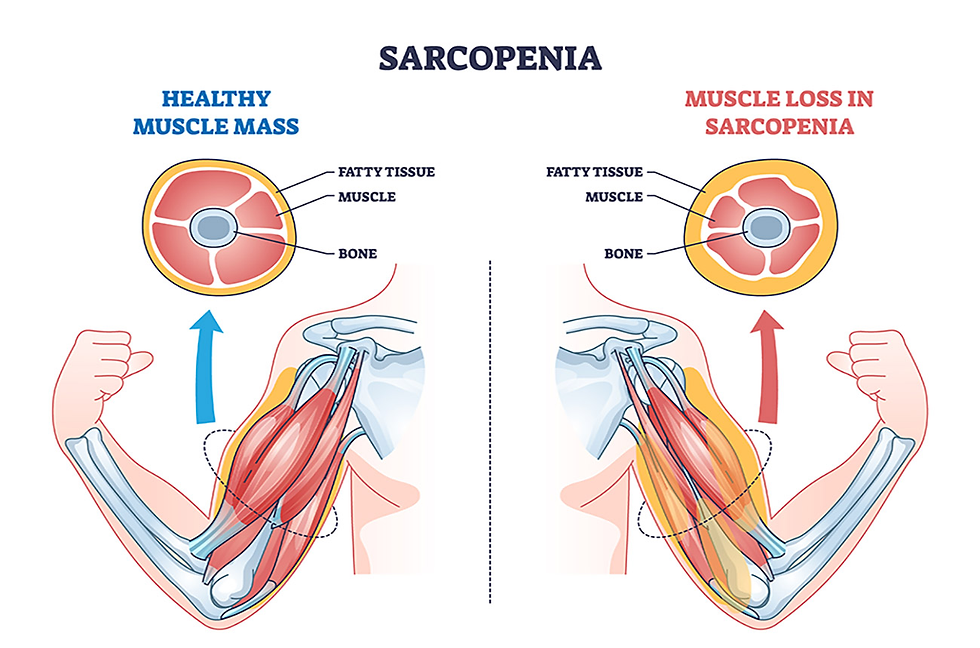
If climbing stairs feels harder than it did a few years ago, or getting up from a chair now takes more effort than it should, that change is not just "getting older." In many adults over 40, it reflects a gradual loss of muscle mass and strength. That is exactly why nutrition for sarcopenia prevention deserves serious attention. Muscle loss is not only about appearance or athletic performance. It affects balance, independence, blood sugar control, joint protection, and your ability to keep doing ordinary tasks without help.
Sarcopenia develops slowly, which is why many people miss it until function has already declined. A person may still look relatively healthy while strength drops, walking speed slows, and recovery worsens. Exercise is essential, especially resistance training, but nutrition is the factor that determines whether your body has the raw materials to build, repair, and preserve muscle tissue. Without that support, even a good exercise program can underperform.
Why nutrition for sarcopenia prevention matters more after 40
After midlife, the body becomes less responsive to the muscle-building effect of food. This is sometimes called anabolic resistance. In simple terms, the same amount of protein that worked well in your 20s may no longer be enough in your 50s, 60s, or 70s. At the same time, many adults become less active, eat less protein at breakfast and lunch, or restrict calories too aggressively in an effort to control weight.
That combination is a problem. If you eat too little overall, or if most of your meals are built around refined carbohydrates with minimal protein, your body has fewer resources to maintain lean mass. During illness, stress, poor sleep, or long periods of inactivity, muscle loss can accelerate further. This is one reason older adults often feel they have "aged suddenly" after hospitalization, injury, or a sedentary period.
The good news is that sarcopenia is not a passive fate. It is strongly influenced by lifestyle. Well-structured eating, paired with appropriate strength training, can slow decline and in many cases help restore muscle function.
The protein target most adults miss
When discussing nutrition for sarcopenia prevention, protein is the first priority because it directly supplies the amino acids needed for muscle repair and growth. Many adults assume they eat enough simply because they have some protein at dinner. In practice, intake is often low across the full day.
For many healthy older adults, a useful starting point is roughly 1.2 to 1.6 grams of protein per kilogram of body weight per day. Needs can be higher during calorie restriction, injury recovery, illness, or intensive training, though that should be adjusted carefully if kidney disease or other medical conditions are present. This is where generic advice fails. A 68-year-old with diabetes, osteoarthritis, and a low appetite does not need the same strategy as a healthy 45-year-old who strength trains three times per week.
Just as important as total daily intake is distribution. If breakfast is toast and fruit, lunch is noodles, and dinner is the only protein-heavy meal, muscle protein synthesis is not being stimulated efficiently. In most cases, spreading protein across three or four meals works better than back-loading it into one large dinner.
A practical benchmark is around 25 to 40 grams of high-quality protein per meal, depending on body size and total needs. That can come from eggs, Greek yogurt, fish, poultry, lean meat, tofu, tempeh, milk, or a quality protein supplement when appetite or convenience is an issue.
Why leucine matters
Not all proteins stimulate muscle equally. Leucine, one of the branched-chain amino acids, plays a key role in triggering muscle protein synthesis. Animal proteins such as dairy, eggs, fish, and meat are generally rich in leucine and highly bioavailable. Soy foods can also contribute effectively.
This does not mean plant-based eating cannot work. It can, but it usually requires more planning. Some plant proteins are less concentrated in key amino acids, so portions may need to be larger or combined intelligently across the day. Older adults with small appetites often do better when each meal contains a clear, substantial protein source rather than relying on incidental protein from grains and vegetables.
Energy intake matters more than many realize
Some adults lose muscle not because they ignore protein, but because they undereat overall. This is common in people trying to lose weight quickly, those under stress, and older adults whose appetite has declined. If calorie intake is chronically too low, the body is less willing to build or maintain muscle, even with decent protein intake.
This creates a trade-off. If someone needs fat loss to improve blood sugar, mobility, or cardiovascular risk, a modest calorie deficit may be appropriate. But aggressive dieting can worsen sarcopenia, especially when combined with little resistance training. The goal is not simply lighter body weight. The goal is better body composition and stronger function.
For adults over 40, especially over 60, weight loss should be approached with more caution than the fitness industry often suggests. Preserving muscle is part of protecting metabolism, bone health, and independence.
Carbohydrates are not the enemy
Carbohydrates are often misunderstood in conversations about aging and body composition. They are not inherently harmful, and they can support training performance, recovery, and daily energy. The issue is quality and context.
Highly processed, low-fiber carbohydrate intake can displace protein and contribute to poor blood sugar control in susceptible individuals. On the other hand, whole grains, beans, fruit, and starchy vegetables can be useful parts of a sarcopenia prevention plan, particularly for active adults who train consistently.
When people cut carbohydrates too sharply, they sometimes reduce overall food intake so much that protein intake also drops. Others become fatigued and train less effectively. If resistance exercise quality declines, the muscle-preserving signal weakens. As with most good coaching, the correct answer is not extreme restriction. It is matching intake to the person in front of you.
Fats and the nutrients that support muscle health
Healthy fats help support hormone production, satiety, and overall diet quality. Oily fish, nuts, seeds, olive oil, and avocado can all fit well. Some evidence suggests omega-3 fatty acids may help support muscle health, particularly in older adults, though they are not a replacement for protein and strength training.
Micronutrients matter too. Vitamin D is especially relevant because low levels are common in older adults and may affect muscle function and fall risk. Calcium, magnesium, and B vitamins also contribute to neuromuscular health and energy metabolism. If food variety is poor, nutrient gaps become more likely.
That said, supplements should not be treated as shortcuts. They are most useful when they correct a documented deficiency, solve a practical intake problem, or support a well-built program. They are far less helpful when used as a substitute for consistent meals and proper training.
Meal timing for sarcopenia prevention
Meal timing is not magic, but it can help. Adults who train for strength often benefit from eating protein within a few hours after exercise. More broadly, regular protein-rich meals across the day appear to support muscle retention better than long periods of underfeeding followed by a heavy evening meal.
Breakfast is often the weakest meal in older adults. Replacing a low-protein breakfast with eggs, Greek yogurt, milk, soy foods, or a protein shake can make a meaningful difference over time. This is one of the simplest corrections in nutrition for sarcopenia prevention, and one of the most overlooked.
For people with low appetite, smaller but more frequent meals may work better than forcing large portions. For those with diabetes, protein-rich meals paired with fiber and controlled carbohydrate portions often improve both muscle support and glucose management.
When eating well is not enough by itself
Nutrition cannot fully prevent sarcopenia if the muscles are never challenged. Muscle is metabolically expensive tissue. The body keeps it when it is used. It sheds it when it is not. That is why walking, while valuable, is usually not enough on its own to maintain strength as you age.
Resistance training gives the body a reason to preserve and build muscle. Nutrition provides the materials to respond. Remove either side of that equation and results are weaker. This is particularly true for adults dealing with joint pain, osteopenia, diabetes, postural decline, or previous injuries. They often need training that is adapted, not avoided.
This is also where experienced coaching matters. Generic meal plans and random online workouts can be ineffective or unsafe for adults with medical concerns. A structured plan should account for appetite, medications, blood sugar, digestive tolerance, training status, recovery capacity, and functional goals.
A realistic approach that works
The best nutrition plan for preventing sarcopenia is not the most fashionable one. It is the one you can follow consistently, safely, and long enough to change your trajectory. For most adults, that means eating enough total food, prioritizing protein at each meal, choosing mostly nutrient-dense foods, correcting obvious deficiencies, and aligning nutrition with a progressive strength program.
At Fitness Tutor, this is exactly how older adults should be guided - not with trend-driven restrictions, but with evidence-based strategies that protect strength and function for the long term.
If you want to stay independent, move with confidence, and keep your body capable in the decades ahead, treat muscle as an asset worth protecting every day. Your future mobility is being built, or neglected, one meal at a time.
Visit www.fitness-tutor.com to learn more and start your journey toward a stronger, healthier future. You can also reach out directly to Coach Paul Kuck for more information or to book a consultation.
Contact Coach Paul Kuck
Phone: 97513400
Email: paul@fitness-tutor.com
Website: www.fitness-tutor.com
Get in touch and take the first step towards achieving your fitness goals with expert guidance from Coach Paul Kuck!
Comments