

Achieving High Performance at Any Age: A Holistic Fitness Approach for Seniors

As we age, many believe that our physical capabilities naturally decline, but what if we told you that it’s possible to not just age gracefully, but achieve high performance well into your later years? Strong, active, and high-performing seniors can maintain independence, stay vibrant, and live life to its fullest, all by focusing on all 10 key fitness components. These components are crucial not just for staying healthy, but for ensuring a well-rounded, functional, and performance-driven life.

At Fitness Tutor, we specialize in a holistic approach to senior fitness that targets each of these components. Let’s explore why strength, balance, endurance, and more are vital for seniors, and how certain fitness practices, while effective in their own right, don’t cover everything you need for optimal health.
Why a Holistic Fitness Approach is Vital for Seniors
As seniors, we’re often told to focus on specific types of exercises to maintain our health—like cardio for heart health or yoga for flexibility. However, focusing solely on one component leaves the body unbalanced and vulnerable to injury or long-term health issues. For true high performance, seniors must train all 10 fitness components in a way that’s efficient, effective, and sustainable.
The 10 fitness components every senior should focus on are:
Cardiovascular Endurance
Muscular Strength
Muscular Endurance
Flexibility
Body Composition
Balance
Coordination
Power
Agility
Reaction Time
These components don’t just help seniors live longer—they help them live better. Together, they ensure functional movement, enhanced mental clarity, and greater independence. Skipping any of these components can lead to performance declines, making day-to-day tasks harder, and increasing the risk of injury and chronic disease.
The Best Examples for Each Fitness Component
1. Cardiovascular Endurance: Running or Brisk Walking

Best Activity: Running / Brisk Walking
Cardiovascular endurance is the ability to sustain moderate to intense physical activity over time. Running or brisk walking are excellent cardiovascular exercises, improving heart health and stamina. For seniors, walking is a safer alternative to running but still provides a robust cardiovascular workout.
Why: Boosts heart and lung function, helping prevent heart disease and improving energy.
Limitations: Walking alone doesn’t provide strength or flexibility benefits.
2. Muscular Strength: Weight Training

Best Activity: Weight Training (Strength Exercises)
Muscular strength is crucial for performing daily activities such as lifting, bending, or carrying groceries. Weight training, including squats, deadlifts, and resistance exercises, is the best way to build and maintain muscle mass as we age.
Why: Increases muscle mass, boosts metabolism, and reduces the risk of osteoporosis.
Limitations: It often lacks cardiovascular or flexibility benefits.
3. Muscular Endurance: High-Rep Bodyweight Exercises

Best Activity: Bodyweight Squats, Push-ups
Muscular endurance involves the ability to perform repetitive actions without tiring. Bodyweight exercises like squats and push-ups help seniors build this type of endurance. These exercises enhance the ability to carry out everyday tasks over extended periods.
Why: Builds stamina, ensuring seniors can handle physical tasks without fatigue.
Limitations: While effective, it doesn’t address cardiovascular fitness.
4. Flexibility: Yoga

Best Activity: Yoga
Yoga is one of the best exercises for improving flexibility. Sun Salutations, Downward Dog, and other poses increase the range of motion in joints and improve muscle elasticity.
Why: Enhances mobility and reduces stiffness, crucial for maintaining ease of movement.
Limitations: While excellent for flexibility, it doesn’t build significant strength or cardiovascular endurance.
5. Body Composition: Strength Training + Cardio
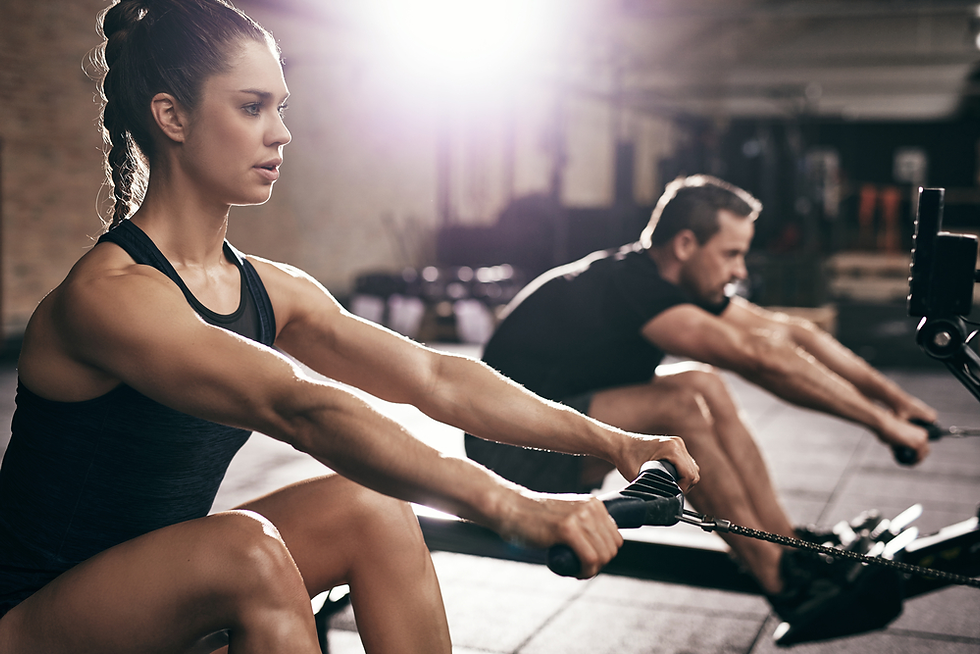
Best Activity: Strength Training + Cardio
Maintaining healthy body composition (muscle-to-fat ratio) is essential for seniors. A combination of strength training and cardiovascular exercise is the most effective method. Cardio burns fat, while strength training builds muscle.
Why: Reduces fat, preserves muscle, and improves metabolism.
Limitations: If not combined, cardio or strength alone won’t fully address all aspects of body composition.
6. Balance: Tai Chi

Best Activity: Tai Chi
Tai Chi is an ancient Chinese martial art that focuses on slow, controlled movements. It’s one of the best activities for improving balance in seniors, helping them avoid falls and maintain stability.
Why: Improves core strength and joint stability, reducing the risk of falls.
Limitations: Does not target cardiovascular endurance or muscular strength.
7. Coordination: Dance

Best Activity: Dance (Ballroom, Zumba)
Dance improves coordination by requiring the body to move fluidly and rhythmically. Whether it’s Zumba or ballroom dancing, dance is a fun way to enhance coordination and agility.
Why: Enhances brain-body connection and improves fluidity of movement.
Limitations: While fun and engaging, it doesn’t address strength or flexibility comprehensively.
8. Power: Plyometrics (Jumping Exercises)

Best Activity: Plyometric Exercises (Jump Squats)
Plyometrics (e.g., jump squats and box jumps) develop power—the ability to exert force quickly. This is vital for seniors in reacting to sudden changes in balance or environment.
Why: Increases muscle explosiveness, which can help prevent falls.
Limitations: May be too intense for beginners or those with joint issues.
9. Agility: Agility Ladder Drills

Best Activity: Agility Ladder Drills
Agility ladder drills are ideal for improving footwork, quick reflexes, and direction changes. Agility is essential for navigating everyday environments, avoiding obstacles, and reacting swiftly.
Why: Enhances reaction time and reduces the risk of falls.
Limitations: Lacks focus on cardiovascular or strength benefits.
10. Reaction Time: Quick Response Drills

Best Activity: Quick Response Drills (Ball Drop or Partner Response Drills)
Quick response drills, like ball drop drills, help seniors improve their reaction time, which is vital for maintaining safety in unexpected situations.
Why: Improves reflexes, making seniors quicker to respond to potential hazards.
Limitations: Does not address overall strength or endurance.
The Holistic Approach: Why These Alone Aren’t Enough
While each of these exercises excels in a specific fitness component, focusing on just one will leave significant gaps in overall fitness. For example, yoga is excellent for flexibility, but it doesn’t adequately address cardio, strength, or muscular endurance. Similarly, running or walking is fantastic for cardiovascular health, but it doesn’t provide the muscular strength, balance, or coordination needed for optimal health.
To truly perform at a high level at any age, seniors must integrate synergistic training, combining different exercises to hit multiple components at once. This approach ensures that seniors don’t just live longer—they live stronger, more active, and high-performance lives.
Fitness Tutor: Specializing in Holistic Senior Fitness
At Fitness Tutor, we specialize in developing customized fitness programs that target all 10 essential fitness components. Our holistic approach ensures that seniors not only stay active but also improve strength, flexibility, cardiovascular health, and more—all in a sustainable, time-efficient manner.
Through our expert guidance, seniors can build a fitness routine that covers all aspects of high-performance fitness, empowering them to stay strong, independent, and capable well into their later years.
Visit www.fitness-tutor.com to learn more and start your journey toward a stronger, healthier future. You can also reach out directly to Coach Paul Kuck for more information or to book a consultation.
Contact Coach Paul Kuck
Phone: 97513400
Email: paul@fitness-tutor.com
Website: www.fitness-tutor.com
Get in touch and take the first step towards achieving your fitness goals with expert guidance from Coach Paul Kuck!
Comments